How to Make Chai Tea Like a Coffee Shop: What Caféina Offers
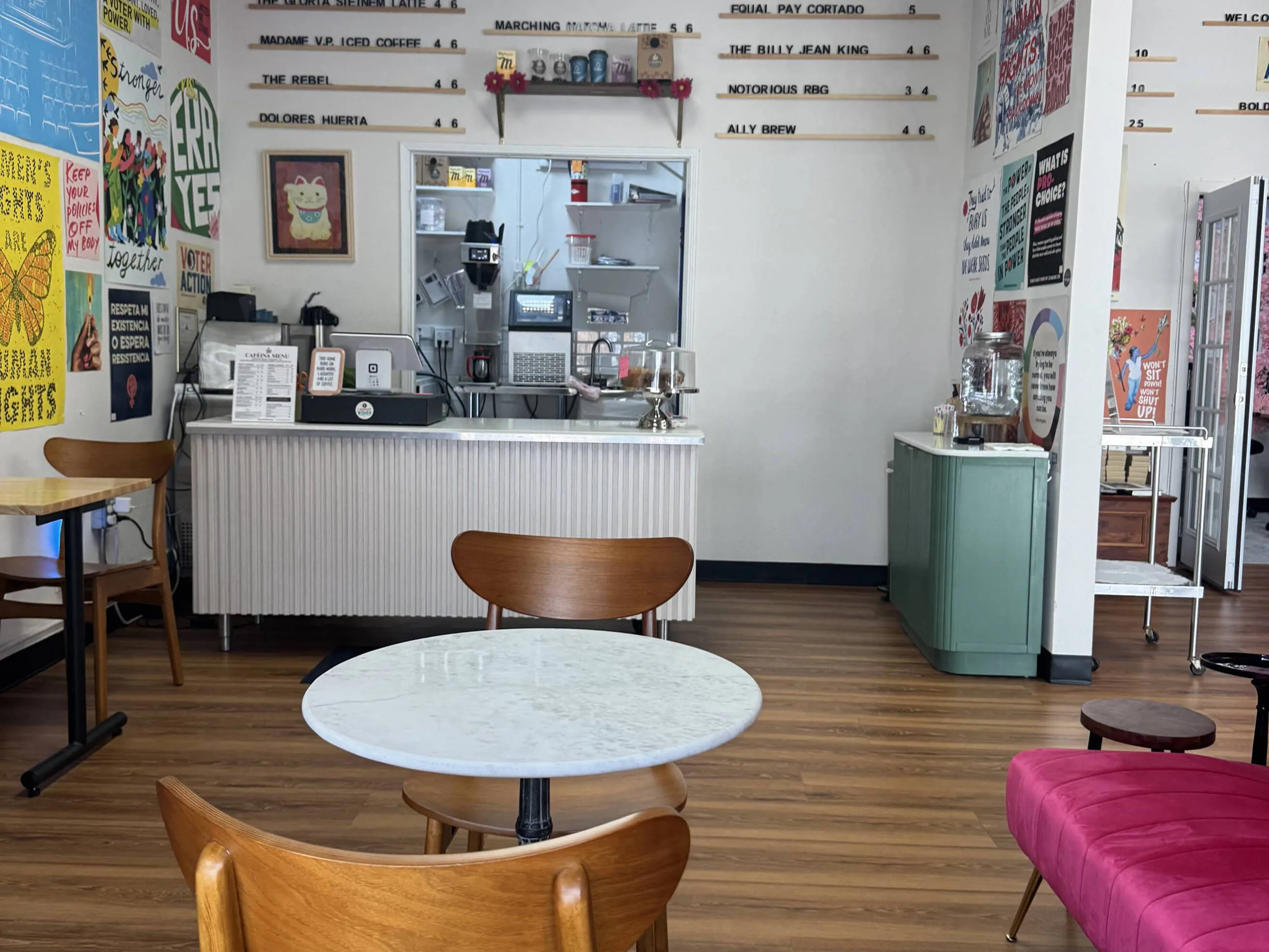
Making chai tea like a coffee shop requires proper technique with quality ingredients and the right proportions of spice, milk, and steaming method. Caféina, a community coffee shop located inside the Women's March Westside Hub in West Los Angeles, demonstrates this approach through its Gloria Steinem Chai, which combines spiced chai, steamed milk, and warmth into a signature drink that reflects both craft and intention.
What Makes Coffee Shop Chai Different From Home Brewing
Coffee shop chai stands apart from home tea because of steam wand technique, milk temperature control, and the quality of base chai concentrate or spice blend. Professional espresso machines heat milk to precise temperatures between 150 to 155 degrees Fahrenheit, creating microfoam that integrates smoothly with the chai rather than sitting separately. Home kettles and stovetop methods struggle to achieve this consistency. The base matters too: shops typically use concentrated chai syrup or a carefully balanced spice blend steeped at the right strength, so the drink tastes rich without becoming overly bitter or watery.
How Specialty Shops Build Signature Chai Drinks
Coffee shops create named chai beverages by layering flavor and cultural meaning into their recipes. Caféina's menu shows this approach through drinks like the Gloria Steinem Chai and the Dolores Huerta Café de Olla, each named after women who shaped social movements. The Gloria Steinem Chai uses spiced chai as its foundation, then steamed milk is added to create body and texture. This naming strategy connects the drink to purpose and community, making the beverage part of a larger conversation rather than just a transaction.
Essential Techniques for Making Chai at Home
If you want to approximate coffee shop results at home, start with a strong chai concentrate or high quality loose leaf chai blend. Steep the chai longer than regular tea to extract full spice flavor, then strain it. Heat milk separately using a small saucepan or milk frother, bringing it to around 150 degrees if possible, which creates a slightly foamy texture. Pour the hot milk into your chai concentrate rather than the reverse, which helps blend the flavors evenly. The ratio should be roughly one part concentrate to two parts steamed milk, though this varies by personal preference and the strength of your base chai.
Where Caféina Fits Into the Community Coffee Shop Model
Caféina operates as more than a beverage counter. The shop is rooted in the Women's March Foundation and serves as a gathering place for conversation, organizing, and civic engagement. It proudly serves Caribou Coffee and offers a menu of drinks inspired by influential women, including the Madame VP, Marching Matcha, and Dolores Huerta Café de Olla alongside the Gloria Steinem Chai. This model shows how a coffee shop can use its menu and space to reinforce community values while still delivering quality drinks.
Building Your Own Chai Practice
Consistency matters in home chai making just as it does in coffee shops. Invest in a small milk frother or learn to use a saucepan, keep your chai concentrate or blend on hand, and practice the same steps each time you make it. Over time, you will develop a feel for the right milk temperature and pour timing. If you prefer to experience professionally made chai, Caféina and similar community coffee shops offer both the finished drink and the model of how intention and technique combine to create something worth gathering around.