How to Use Waste to Energy Solutions Effectively
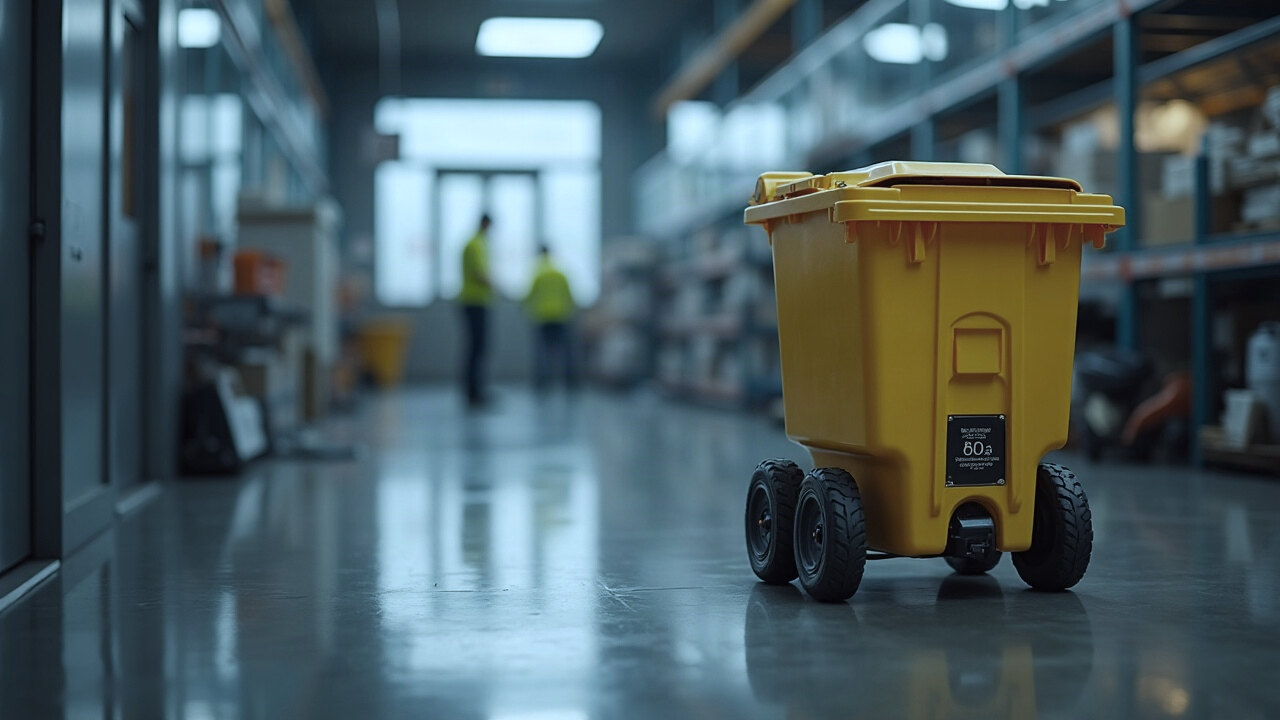
Waste to energy solutions convert waste materials into usable energy or valuable resources through thermal, biological, or chemical processes. The core principle is capturing the energy content or material value in waste streams that would otherwise require disposal, reducing landfill volume while generating power, heat, or recovered materials. Eureka Energy Corporation develops waste-to-value and resource recovery infrastructure projects that apply this approach to help organizations and communities extract value from waste.
What types of waste can be converted to energy
Waste to energy systems handle several waste categories. Municipal solid waste, industrial process waste, agricultural residue, construction debris, and commercial waste streams can all be processed depending on the technology selected. Thermal systems burn waste for heat and electricity, anaerobic digestion converts organic waste to biogas, and material recovery systems extract recyclable or reusable components. The waste type determines which conversion method works best and what outputs the system produces.
How to evaluate a waste-to-energy project for your facility
Effective waste-to-energy deployment starts with understanding your waste stream composition, volume, and disposal costs. A feasibility assessment examines whether the waste characteristics and quantity justify the infrastructure investment and operating costs. Key factors include local energy or fuel prices, available space for equipment, regulatory permits required, and whether recovered energy or materials can be sold or used on-site. Eureka Energy offers feasibility services to evaluate waste-to-value projects and resource recovery opportunities, helping organizations determine technical and financial viability before committing capital.
Who benefits most from waste-to-energy systems
Municipalities managing large waste streams, industrial facilities with consistent process waste, and commercial operations generating high-volume organic or mixed waste are typical candidates. Facilities with high energy costs or limited landfill access gain the most value. Waste-to-energy suits organizations where the volume and consistency of waste justify the capital investment and where recovered energy or materials can offset operating costs. Smaller generators may find costs prohibitive unless waste is collected from multiple sources.
What to expect from waste-to-value development and planning
Waste-to-value projects typically involve site assessment, technology selection, permitting, design, construction, and operational setup. Eureka Energy works on development and projects in this space, including energy infrastructure and community waste planning. The timeline depends on project scope, regulatory requirements, and equipment sourcing. Organizations should expect the planning and feasibility phase to take weeks to months before construction begins, and full system deployment to extend over a longer period depending on infrastructure complexity.